
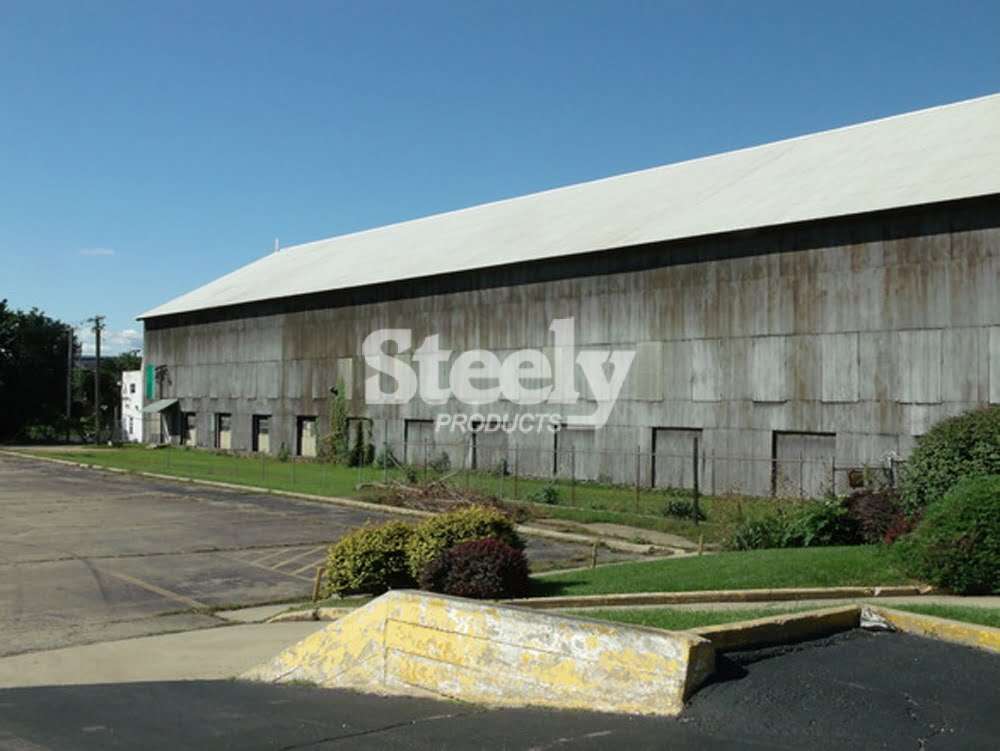
With a few adjustments, it’s possible for people with disabilities to work in the warehouse and logistics sector.
Companies that have inclusive recruitment policies don’t discriminate on grounds of sexual orientation, ethnicity or disability. To enable disabled people to work in a warehouse, additional equipment may be required.
The roles available to disabled people can be limited. For example, someone with a physical disability may not be able to lift heavy loads on and off shelves. When interviewing candidates with disabilities, employers should discuss the best roles that are suitable for their abilities and needs.
What the law says
The Equality Act of 2010 prevents employment discrimination against disabled workers, whether their disability is physical or mental. Employers are required to take reasonable measures for disabled workers, including providing specialist equipment. A partially sighted person, for example, can use enlarged displays or audio assistance when operating computers.
The environment
Busy warehouses are noisy and busy places, with lots of workers, trolleys and forklifts moving around the same areas. Large warehouses can be cold, which can affect some medical conditions. Extra warm padded clothing may be appropriate for some workers.
A disabled person applying for a warehouse job should assess whether they are comfortable working in the environment – the employer should be clear on what to expect from the environment when the applicant is interviewed.
Some employers say that warehouse work is hazardous and use this as a reason why they don’t hire people with certain disabilities. This attitude can stem from a lack of knowledge regarding what warehouse roles are suitable for people with disabilities, and they should therefore conduct research into the various roles available.
Transparency
A disabled person who wants a warehouse job should be honest and open about their disability and their limitations so that there is a transparent discussion about what role they are most suitable for. The job of a picker, for example, may not be practical, but packing at a table could be, or an administration role could be more appropriate.
Employers should research what assistive equipment is available to help disabled job applicants perform their roles.
Assets
Research by the American Society of Safety Engineers found that there is less staff turnover amongst disabled employees. Many large corporations, including Microsoft, have stated that disabled members of their workforce are a great asset.
Safety
A safe warehouse is vital for all employees, whether they are disabled or not. Floor space and aisles should be clear of objects that could cause falls. Shelves should be stacked safely to prevent items from falling. These are good practices to protect all workers.
Steely Products makes quality equipment that is designed for safe working. Our trolleys have swivel castors that make them easy to move and steer. Benches can be height adjusted so that people of all heights can comfortably work with them.
To learn more about the safety features of our equipment, contact Steely Products using the form below or call us.
You may also interested in:
AI-powered scheduling software increases staff retention
Legion Technologies in California has developed a workforce management platform that gives staff more
Can wet weather cause clothes to grow mould in a warehouse?
Storing goods safely and effectively is critical for operations like warehouses. From products that have a quick turnaround to slow sellers and overstocked items, it is essential that inventory is