
Major companies are investing more in green logistics that reduce the environmental footprint of the supply chain.
Amazon is decarbonising its transport network by using more electric vehicles (EV) to deliver parcels to customers. In the US, they have already delivered more than one billion packages with EVs.
Amazon and many other online retailers are reducing the environmental impact of packaging by using less plastic and recycling as much packaging as possible. Unilever is a supporter of the Global Plastics Treaty, which aims to reduce plastic use. The company wants to reuse or recycle 100% of the plastic it uses by 2030. Their Chief Sustainability Officer, Rebecca Marmot, said:
“We were hoping — and have worked extensively — for an international legally binding instrument that would harmonise the policy landscape, strengthen national legislation and help businesses scale proven solutions for priority sectors, such as packaging.”
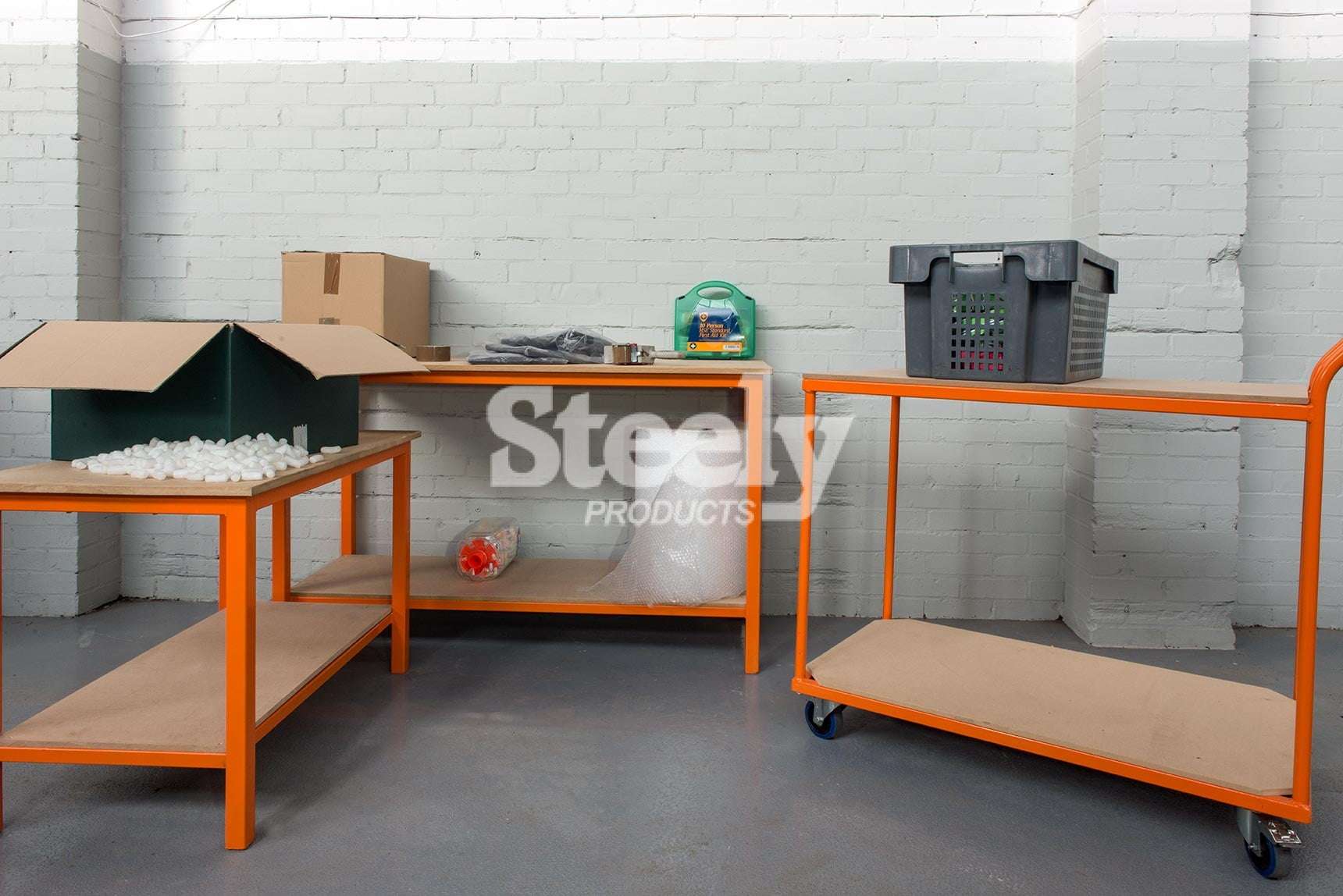
Every warehouse equipment manufacturer uses steel to make warehouse trolleys, packing tables, shelving, and other essential equipment. Steel manufacturers are making greener steel that is made using renewable energy and contains recycled steel.
Artificial intelligence (AI) is important to streamline warehouse processes and increase productivity, but it can also be used to optimise energy use to reduce the carbon footprint. Many warehouses are using renewable energy, such as roof-mounted solar panels, to further decrease carbon emissions.
More companies are aligning sustainability with their business strategies. Green logistics is not only essential for the environment, but it can also drive customer loyalty.
You may also interested in:

Crew Clothing expands its AI-powered task management system
Clothing retailer Crew Clothing has announced that it is extending its
Common warehouse storage problems
Serving as a centre for storing and sorting goods ready for despatch, warehouses play a critical role for