On 19 March 2026, the UK government launched its Steel Strategy that aims to rejuvenate the UK steel industry.
Starting from 1 July 2026, trade protections will be implemented, reducing import steel quotas and imposing a 50% tariff on imports exceeding these quotas. These measures are designed to protect domestic steel production by increasing the proportion of steel produced in the UK and used by British industry from 30% to 50%.
The National Wealth Fund will invest up to £2.5 billion in the UK steel industry. This is in addition to the £500 million already allocated to modernise Tata Steel’s Port Talbot site by replacing its blast furnaces with electric arc furnaces that use recycled scrap metal to produce green steel.
The government wants a working group established to explore ways to recycle more scrap steel for use in electric arc furnaces.
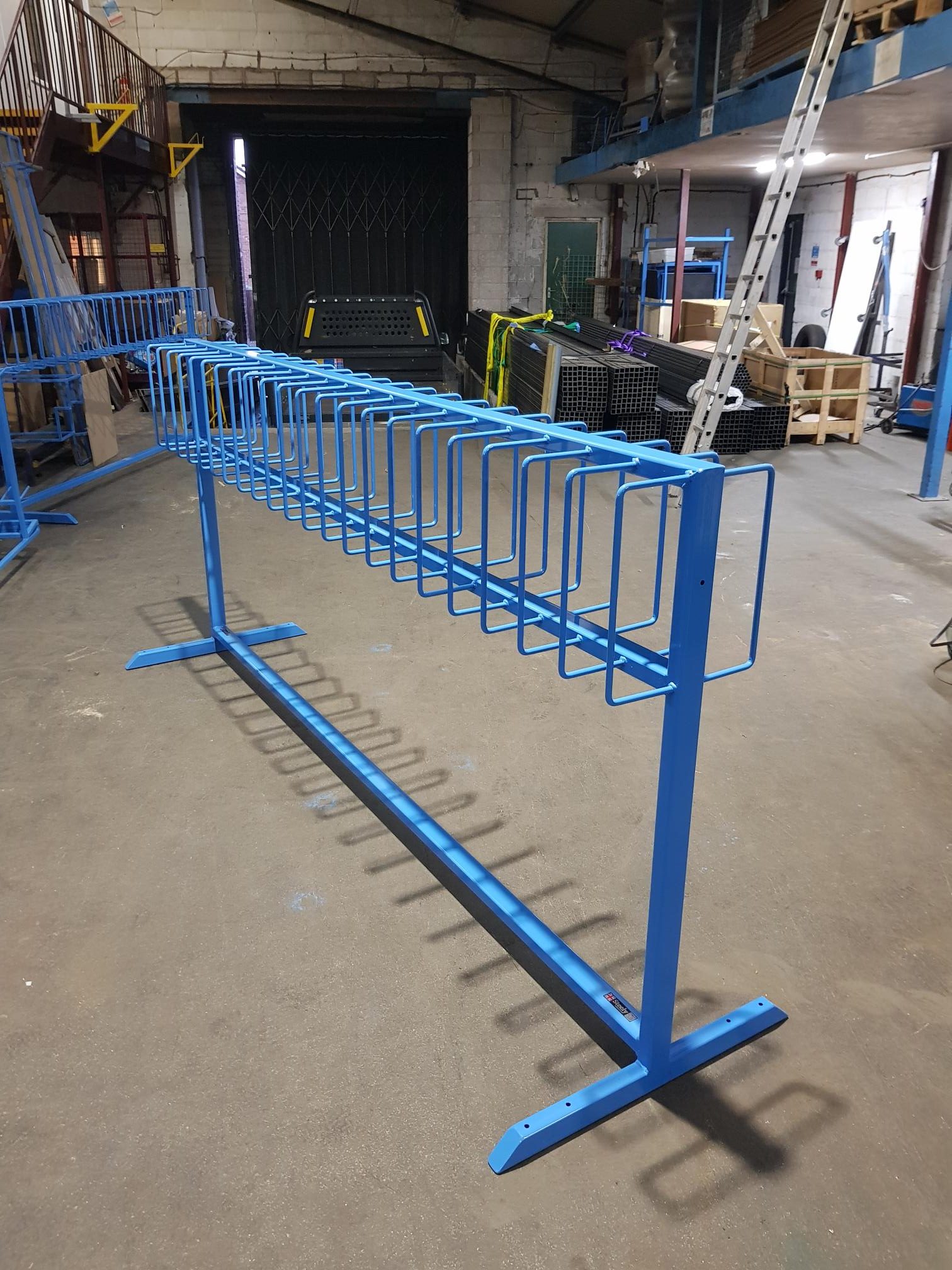
Incentives will be introduced for the UK industry to utilise UK-made steel. For example, warehouse and manufacturing units can source storage trolleys, mobile tables, packing tables, and other equipment fabricated from British steel.
The government will continue to work closely with international partners, including the European Union and the Global Forum on Steel Excess Capacity, to tackle global steel challenges.
Peter Kyle, the Business and Trade Secretary, stated that the Steel Strategy positions steel as a vital component of a resilient British industrial policy. The UK steel industry employs about 40,000 workers. The Steel Strategy will help secure the future employment of these workers.
You may also interested in:

Bill that could nationalise British Steel has first reading
A bill that gives the UK Government powers to nationalise steel companies was introduced to
New developments in stretch wrapping systems
The primary purpose of stretch wrappers is to unitise loads, preventing items from shifting or falling during transit while