
Eco-logistics is concerned with how storing, moving and supplying goods can be done in a more environmentally-friendly way.
Many businesses offer green products and want to make sure that their whole business operation is run along green lines. After products are ordered, they need to be delivered to customers fast. New applications use GPS tracking to plan delivery routes so that vehicles use less fuel on wasted mileage and emit less carbon.
When it comes to delivery, Amazon is experimenting with drones to deliver parcels, which avoids using carbon-emitting vehicles whilst making deliveries faster. They have not yet started this service, but tests have reportedly been promising.
Warehouses can be heated with green energy from sources like solar panels and wind turbines. Automated warehouse technology can use electric-powered vehicles that emit fewer carbon emissions.
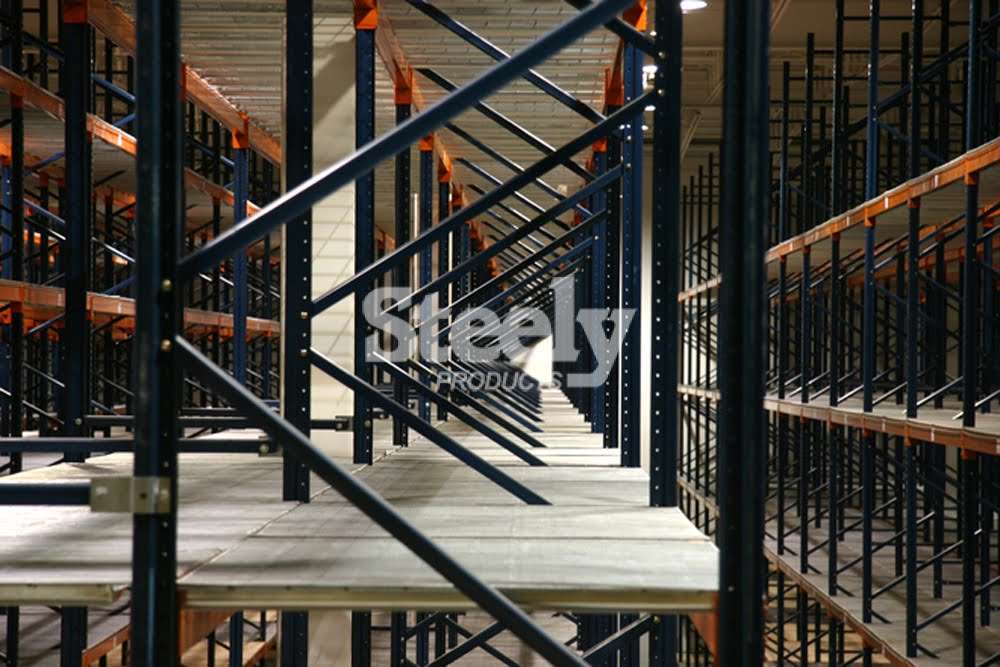
Most warehouses buy from warehouse equipment manufacturers who make trolleys and racking from tubular steel, which can be recycled at the end its life.
Warehouses rely on manual handling, with workers moving goods from warehouse shelves to packing stations on warehouse trolleys. Humans emit about 2.3 bs of carbon a day. This is the carbon that is consumed in the food we eat and is insignificant compared to the carbon emissions from industry, transport and other sources.
You don’t have to be a green company to be concerned about the environment and carbon emissions. Simple steps can be taken to reduce a company’s impact on the environment, and technology can play a vital part in being a greener company.
You may also interested in:

Why packaging sometimes fails during deliveries
Every year, millions of items leave warehouses in pristine condition, but arrive damaged due to
Why digital warehouses often come with unexpectedly high costs
Warehouse owners are investing heavily in digitalisation and advanced stock management to