
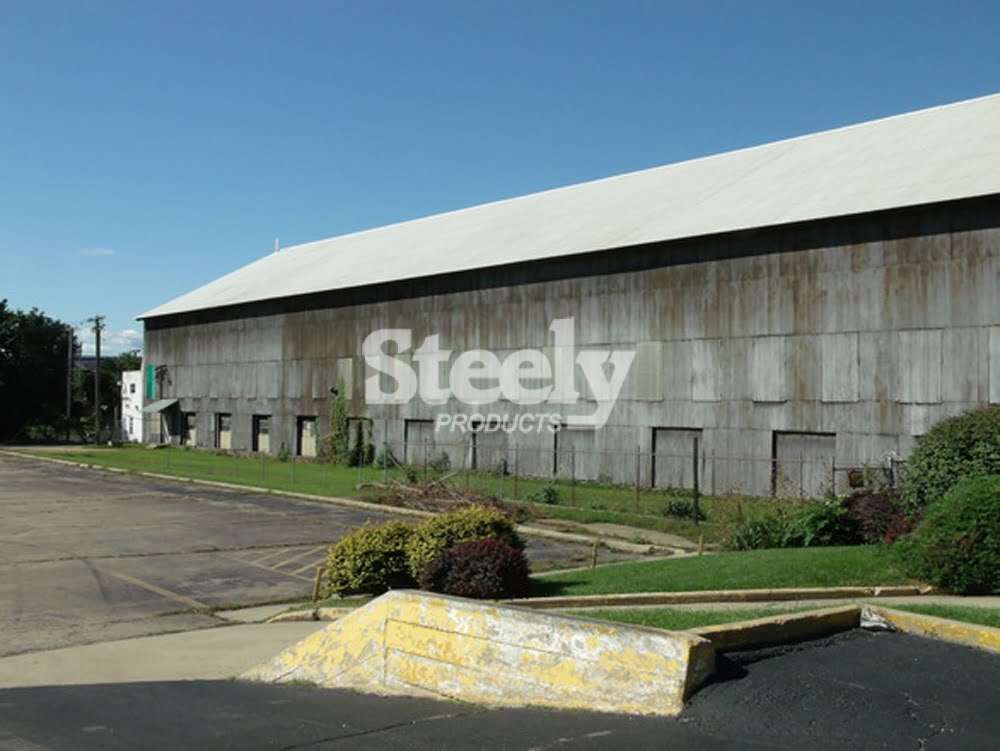
Good warehouse design aims to maximise space to increase inventory capacity and have a smooth workflow. There are typically three main layouts that function to achieve this.
U-flow warehouses are arranged in a U shape with inventory arriving at one end of the U and completed orders departing at the other end. In between both ends, goods are stored, picked and packed. This arrangement suits medium to large businesses with a diverse inventory.
An I-shaped warehouse design has a simple straight long aisle down the centre of the building with storage areas on either side. Forklifts can easily travel along this central aisle to pick up or drop off items. This design is ideal for warehouses with a small range of goods or bulky inventory like pipes, timber, and doors, but it is not suitable for large warehouses with a wide variety of inventory or stock that needs storing in separate zones.
An L-shape design has two main aisles meeting at right angles to form an L shape. One side of the L shape receives and ships goods, whilst the other stores inventory. This design is good for mixed product types and where separate dispatch and storage areas are required or storage areas need distinct zones.
There are other ways to design an efficient warehouse, but these are three of the most popular ones. A warehouse equipment producer supplies manual handling and storage equipment suitable for all types of warehouse layouts, or can create custom designed equipment for non-standard warehouse designs.
You may also interested in:

Average UK warehouse now over 20,000 feet, report reveals
In a recent report, property adviser Knight Frank revealed that warehouses have grown taller. The average height of UK warehouses is over 20,000 feet, 50% higher than 20 years ago.
How to store steel
Manufacturers, warehouse operators and furniture makers that handle steel need to know about storage. In order for