
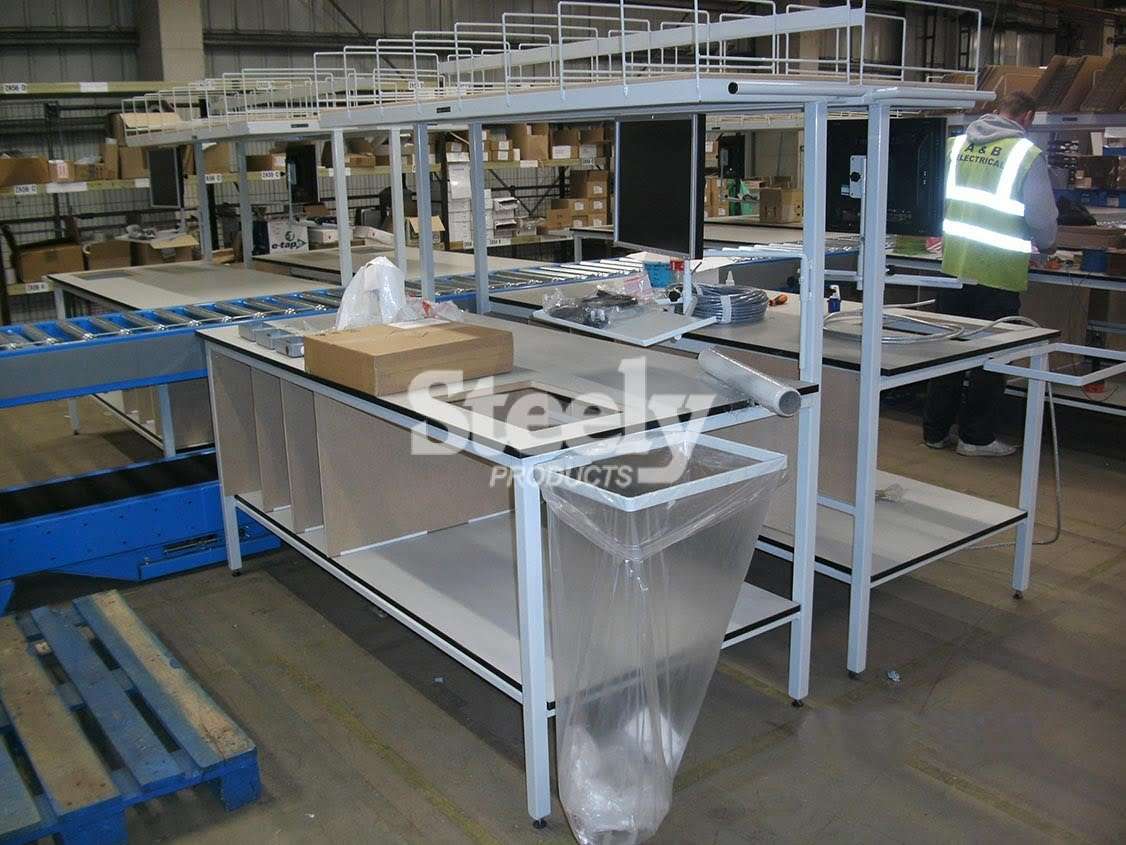
There is an increasing demand for warehouse racking systems. The primary reasons for this growth in demand are the need for temperature-controlled storage, customisable systems and sustainable storage solutions.
The industrial racking system market is adapting to the rise in e-commerce and the need for more efficient and optimised storage. There is a rise in the number of temperature-controlled storage areas that require racking systems with environmental controls that improve the shelf life of perishable goods and comply with safety regulations.
To meet environmental goals, warehouse owners want racking that contains recycled materials that can be recycled rather than disposed of in landfills. To reduce their carbon footprint, many warehouses are integrating solar panels into warehouses that use racks.
There is a move away from the one-size-fits-all approach to rack design to customisable racks that are designed for specific needs. A warehouse equipment manufacturer works with warehouse operators to create bespoke storage systems. Modular racking is popular as it is easy to expand, reconfigure and adapt to changing operational requirements.
Advances in smart warehouse technologies enable inventory and orders to be tracked and monitored in real time. Racking units linked to warehouse management systems are improving productivity. A majority of warehouses are planning to use artificial intelligence for inventory management, which is increasing the demand for smart racking systems that automate inventory management.
Investing in modular, intelligent and environmentally friendly racking systems improves the efficiency of warehouse logistics, increases productivity and reduces environmental impact.
You may also interested in:

Why packaging sometimes fails during deliveries
Every year, millions of items leave warehouses in pristine condition, but arrive damaged due to
Why digital warehouses often come with unexpectedly high costs
Warehouse owners are investing heavily in digitalisation and advanced stock management to