
The Times newspaper has reported that Marks & Spencer has made deals with some of Britain’s leading fashion brands, including Phase Eight, Joules, Hobbs and Seasalt.
These brands were selected because Marks & Spencer believes that their clothes are likely to appeal to its customers. The Managing Director of Marks & Spencer’s clothing and home division, Richard Price, said:
“We have set out our plans to sell complementary third-party brands as part of our Never the Same Again programme to accelerate our transformation and turbocharge online growth.”
Marks & Spencer has also finalised the purchase of the Jaeger brand, but this does not include the Jaeger shops.
With non-essential retails shops closed, fashion retailers are relying on online sales to remain profitable. Selling third-party fashion brands is a way for Marks & Spencer to compete with competitors like Boohoo and Next.
When fashion stores open after the lockdown is eased, many customers will continue to prefer to shop online. Marks & Spencer is one of many high street fashion retailers that are expanding their online sales operations so that they can remain profitable even if their physical store sales decrease.
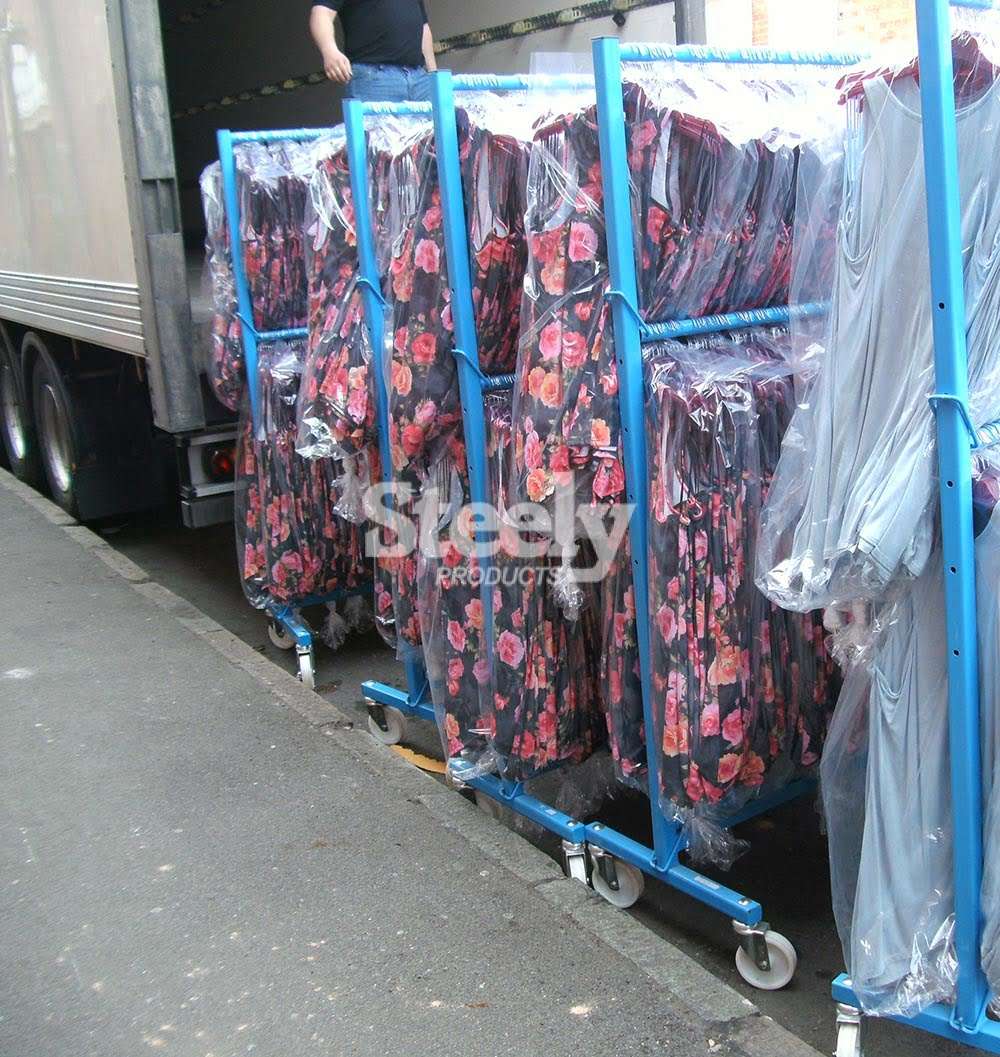
The growth of online clothing sales during the coronavirus pandemic has fuelled high demand for warehouse space. Online customers expect a wider range of garments. Warehouse equipment and garment rail production has increased to provide the extra equipment needed to store these garments.
The new garment lines are expected to be added to Marks & Spencer’s womenswear section in Spring 2021.
You may also interested in:

Why packaging sometimes fails during deliveries
Every year, millions of items leave warehouses in pristine condition, but arrive damaged due to
Why digital warehouses often come with unexpectedly high costs
Warehouse owners are investing heavily in digitalisation and advanced stock management to