
Fire protection in warehouses must be proactive
04/05/2026 by Fenton Richardson
A supplier of fire protection systems has warned that effective fire protection should be proactive rather than reactive to minimise risk.
Modern warehouses with high-density storage systems and highly combustible inventory have increased fire risks. Traditional fire suppression systems may struggle to contain fires. Fire damage can be very costly, as equipment and inventory will need to be replaced. The warehouse may have to be closed whilst structural damage is repaired.
Micro Sachse Managing Director of Infiprotec GmbH, states that fire safety should begin with a risk analysis at the planning stage before a new warehouse is built. Modern warehouses face diverse fire risks, ranging from flammable packaging to electronics that can malfunction and cause fires. Fire detection and suppression systems require a complex range of technology, including networked fire alarms, sprinklers and heat sensors that can detect all types of fires. The selection and design of extinguishing systems are crucial.
Warehouses that optimise storage space may have narrow aisles and restricted access that can prevent firefighters from reaching a fire. When a warehouse reorganises its space, access for emergency services should be considered.
Automated equipment needs frequent maintenance to prevent fire risks. All warehouse staff need fire safety training and should participate in regular fire drills.
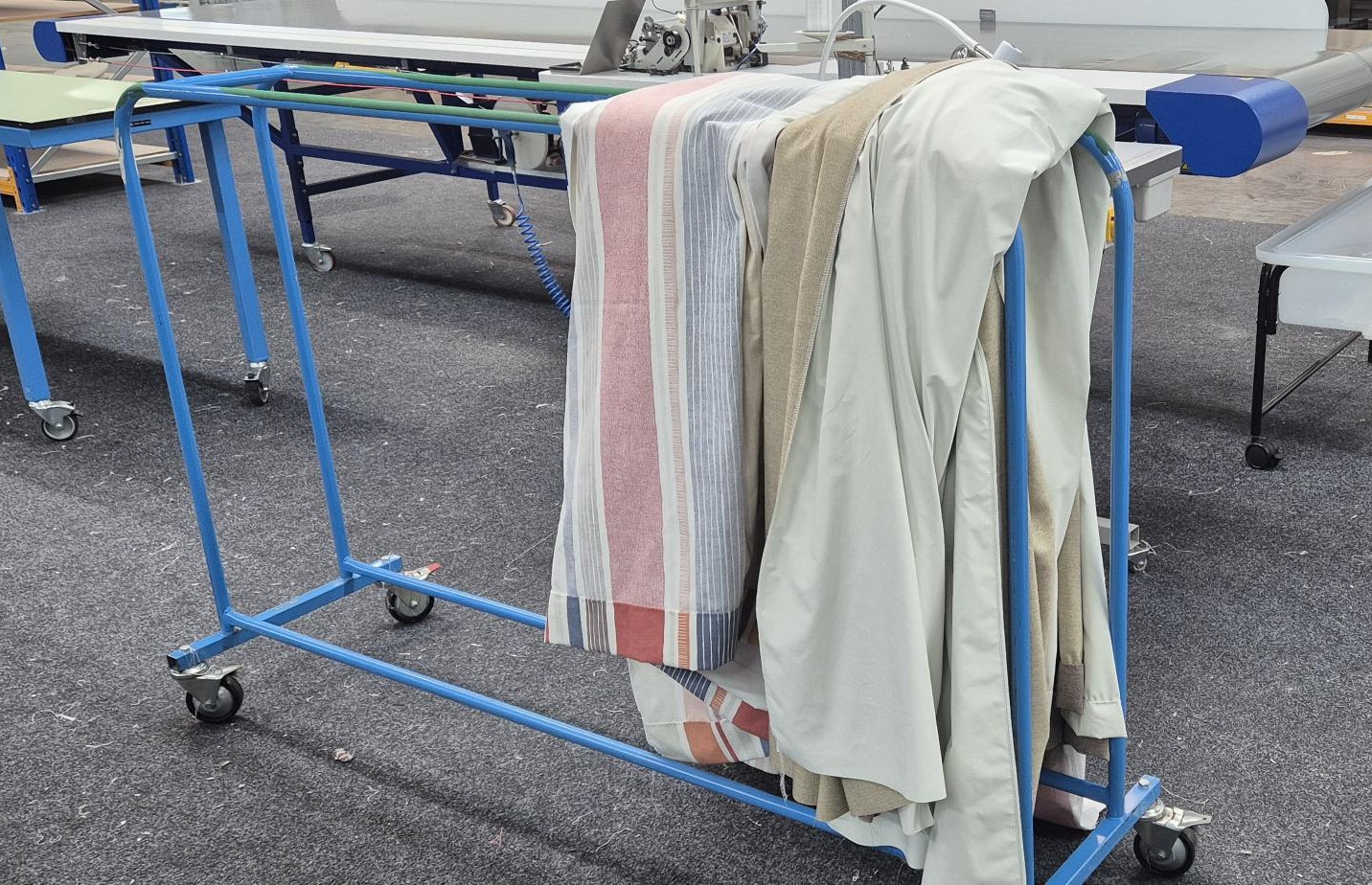
Most warehouse equipment, such as aisle-picking trolleys, packing stations and box trolleys, is made from tubular steel, which is non-combustible and therefore not a significant fire risk. However, if the equipment has been in a fire, high temperatures can weaken the steel, which means the equipment needs to be replaced.
You may also interested in:

Predictive technology cuts warehouse accidents and breakdowns
Warehouse safety technology is moving beyond the traditional reactive model towards
Material handling equipment market forecast to grow by 2034
The global material handling equipment market was estimated to be worth