

A MIT Center for Transportation & Logistics report identifies safety and security vulnerabilities in future warehouses.
Many warehouses rely on manual handling systems with workers using aisle picking trolleys to locate order items and transport them to packing stations. Some warehouse owners are considering using automated machines to make order processing more efficient, but the MIT report shows that this automation can create security and safety vulnerabilities.
Warehouse robots that use batteries and charging stations are a fire risk. Mobile automated equipment travelling in areas where humans work can also be a safety risk when collision avoidance sensors malfunction.
Automated machinery and warehouse management software will fail during power cuts, which prevents the warehouse operating, and software that uses open-source libraries is vulnerable to cyberattacks.
Workers who feel that their jobs are not secure when automation is introduced in the warehouse are more likely to leave, causing high turnover of staff – and a lack of experienced workers is another safety concern.
The MIT report authors recommend several actions that can be taken to address these vulnerabilities. To safeguard warehouse management systems, three copies should be made on a local host, cloud storage and a server. If a cyberattack occurs, backup systems can be activated for a quick recovery.
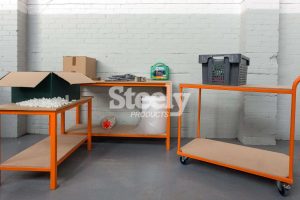
If there is a failure of automated equipment, manual systems should be available so that the warehouse can still function whilst the equipment is being repaired. Warehouse owners should therefore not dispose of their picking trolleys and should continue to train workers in manual handling procedures.
All these measures can combine the benefits of automation with the security and backup of manual handling.
You may also interested in:
AI-powered scheduling software increases staff retention
Legion Technologies in California has developed a workforce management platform that gives staff more
Can wet weather cause clothes to grow mould in a warehouse?
Storing goods safely and effectively is critical for operations like warehouses. From products that have a quick turnaround to slow sellers and overstocked items, it is essential that inventory is